From red light therapy to spinal decompression, explore the evidence-based, non-surgical options that help patients find lasting relief.
Dr. William Greenlee
Neuropathy & Nerve Pain Specialist
When nerve pain settles in for the long haul, the first question most people ask is simple: what can I take for it? It's a fair question. Pills are familiar, they're fast, and sometimes they genuinely help. But anyone who has lived with chronic nerve pain for a while knows the fine print. Medications often work less well over time, come with foggy side effects, and rarely address why the nerves are struggling in the first place.
That's where the conversation shifts in our Southlake clinic. We're not anti-medication. We're pro-relief, and relief for nerve pain usually has more than one contributor — circulation, compression, inflammation, muscle guarding, blood sugar. A drug can quiet a signal, but it can't unblock a vessel or take pressure off a nerve root. So we reach for tools that work on the causes.
Here are the drug-free approaches we rely on most, what each one actually does, and who tends to benefit.
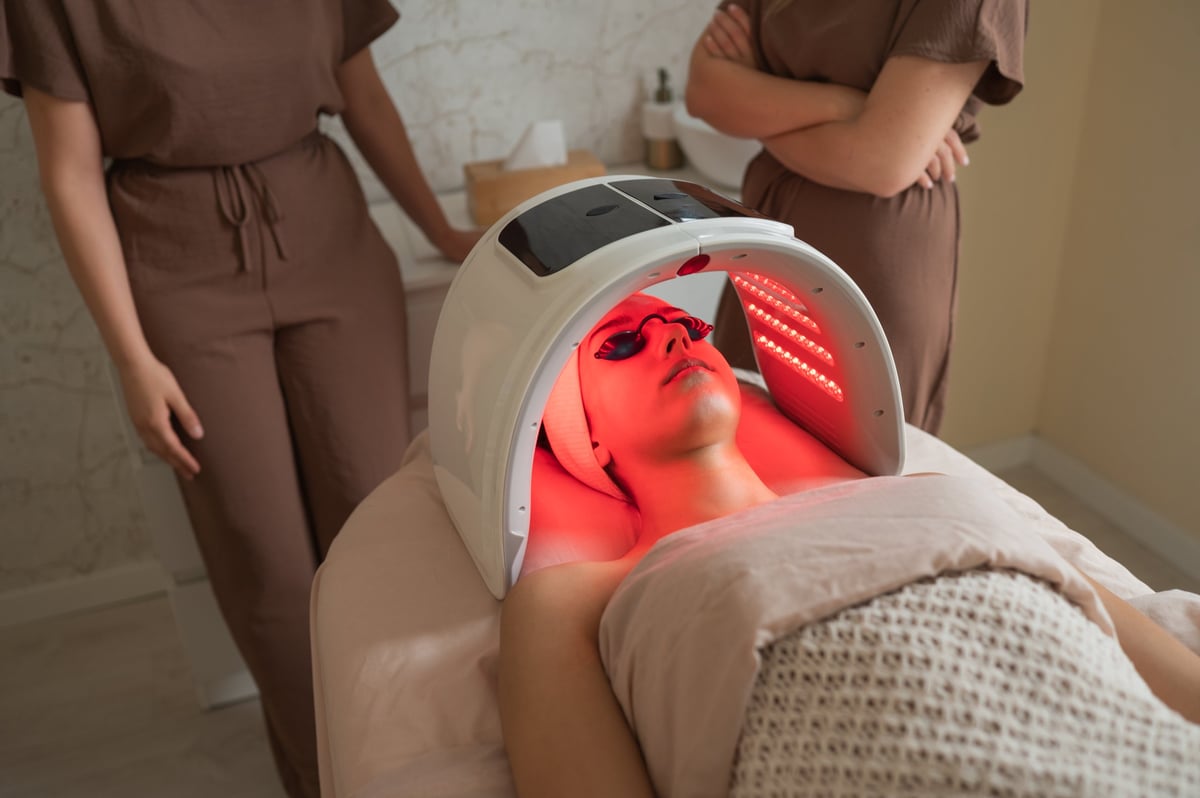
Red light therapy delivers specific wavelengths of light into tissue, where cells use that energy to support their own repair. Think of it less as a magic beam and more as a nudge — it encourages the mitochondria in damaged nerve and skin cells to work more efficiently. Patients often describe a warming, tingling sensation during treatment and report that burning and numbness feel calmer afterward. It's gentle enough for people who can't tolerate much else, and it stacks nicely with movement and circulation work.
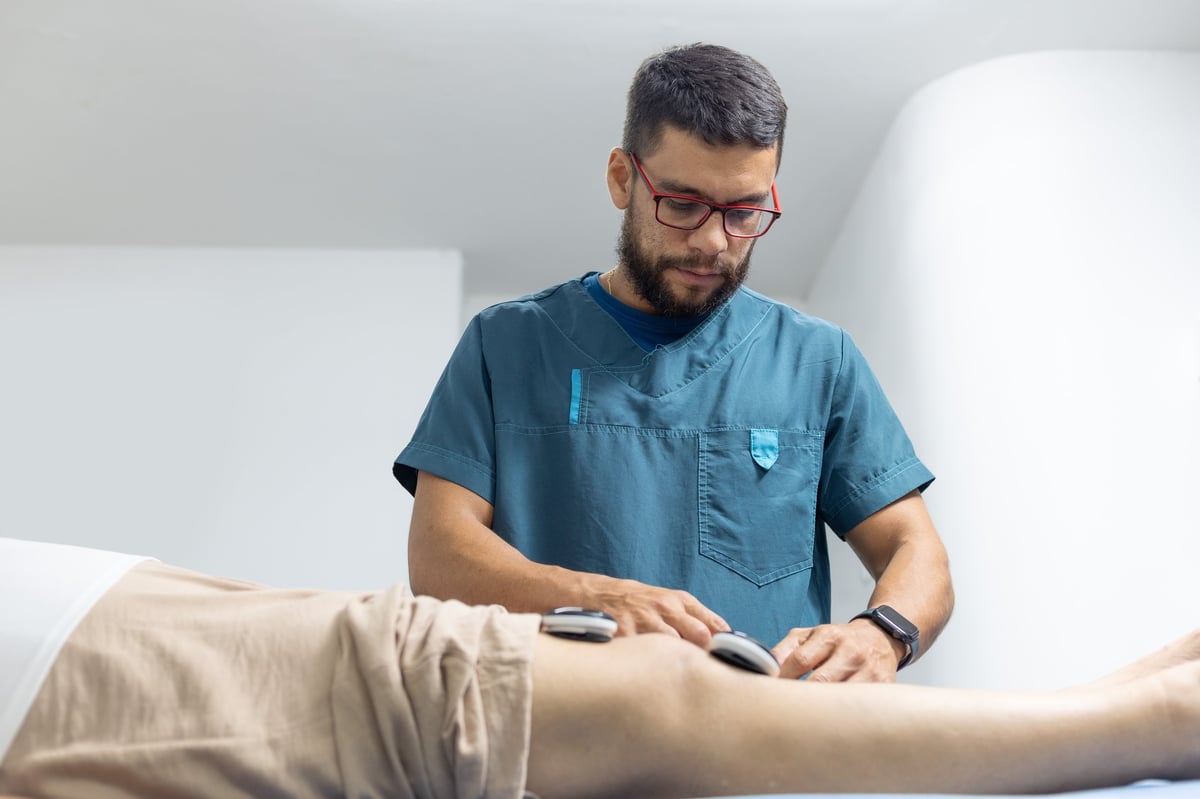
There's a counterintuitive idea at the heart of electric stimulation therapy: sometimes you calm an overactive pain signal by giving the nervous system a different, more organized one to pay attention to. Gentle electrical currents can also coax weak muscles into contracting, which matters when nerve damage has left a limb feeling disconnected. It's not painful — most people say it feels like a light buzzing — and it's one of the few tools that works directly on nerve signaling itself.
Not every case of nerve pain in the feet starts in the feet. A bulging disc or narrowed space in the spine can pinch the very nerve that runs all the way down to your toes. When that's part of the picture, spinal decompression uses gentle, controlled traction to create space and take pressure off the nerve root. It's slow, cumulative work rather than a quick crack, and patients tend to notice change over weeks, not minutes. For the right candidate, though, it can be the piece that finally lets everything else start working.
Nerves need blood. When circulation to the legs is poor — common with diabetes, vascular disease, or plain inactivity — the nerves in the feet are the first to suffer. Leg compression therapy applies graduated pressure to help move fluid and blood back up the legs, reducing swelling and that heavy, leaden feeling by the end of the day. It pairs well with vibration plate therapy, which gently activates muscles without joint stress — useful for patients who can't walk much.
Hands-on care still matters. Gentle mobilization, soft-tissue work, and guided corrective exercise can release muscles that have been guarding a painful area for months and restore movement patterns that keep pressure off irritated nerves. This isn't the aggressive cracking people picture when they hear the word chiropractic. It's slow, targeted, and built around what your body tolerates. Over time it helps your improvements hold instead of fading between visits.
We'd be doing you a disservice if we promised overnight results. Chronic nerve pain took time to develop, and it takes time to unwind. What we look for is a direction rather than a single dramatic moment — sleeping a bit better, walking a bit further, fewer bad nights per week. Progress often arrives in small increments you only notice when you look back a month.
The other honest truth: results depend heavily on consistency. Patients who pair their in-office treatments with the everyday habits we talk about — movement, hydration, blood sugar control — improve faster and hold their gains longer. The treatments do their part. The daily routine does the rest.
The drug-free approaches mentioned in this article.
Targeted light to support cellular repair and nerve recovery.
Gentle signals that calm pain and wake up quiet muscles.
Relief for disc issues, sciatica, and radiating nerve pain.
Supervised compression to improve circulation and reduce swelling.
Low-impact muscle activation without stressing the joints.
Simple routines that keep blood flowing between visits.
Every plan starts with a real conversation about your history, your symptoms, and what you've already tried. Let's find out which tools fit you.